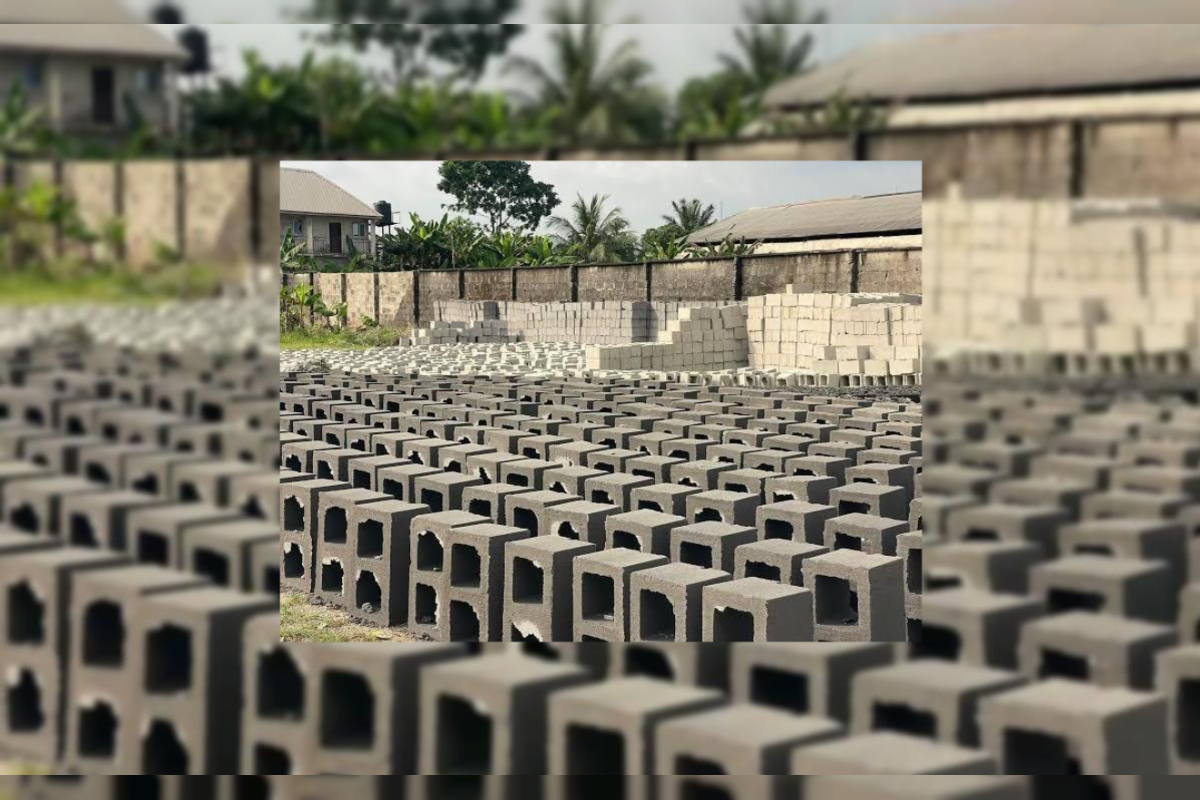

The real estate and commercial construction landscape across southern Nigeria—stretching from the expanding commercial hubs of Aba to the dense, multi-layered developments within Port Harcourt—is currently undergoing an analytical shift in structural standards. Driven by institutional investments, sprawling estate developments along major arterial roads, and critical civil infrastructure expansions, the regional demand for predictable, high-grade building materials has reached unprecedented heights. The physical resilience of these investments depends entirely on the fundamental masonry units selected during the earliest procurement phases of development.
Yet, this rapid acceleration highlights a critical vulnerability that project managers face daily: structural material inconsistency. For decades, regional building projects have frequently relied on decentralized, manual hand-molding operations to source sandcrete units. While easily accessible, hand-molded blocks introduce significant structural variations, erratic load-bearing capacities, and high moisture absorption rates. For contemporary developers, corporate engineers, and private estate investors, relying on variable materials increases financial exposure, risk of early structural cracking, and long-term asset degradation.
To mitigate these liabilities and safeguard capital investments, industry practices are systematically shifting toward industrialized, high-performance masonry alternatives. Evaluating the supply chain reveals that adopting machine-vibrated hollow blocks and precision-engineered precast elements designed to withstand specific regional environmental stresses establishes a more reliable benchmark for structural durability. This objective transition balances initial procurement costs against lifetime maintenance outlays, ensuring that modern concrete properties meet the load specifications demanded by multi-level engineering designs.
1. The Engineering Science Behind Machine-Vibrated Masonry
The structural integrity of a building envelope begins at the microscopic level of the masonry unit itself. Traditional manual block molding relies exclusively on human labor to compact a mix of sand, cement, and water inside a steel frame. This method inherently produces internal air pockets, inconsistent aggregate distribution, and weak chemical bonds across different production batches. When stress is applied, these internal voids become failure points where structural cracks originate.
Conversely, modern industrial block manufacturing utilizes specialized hydraulic press machinery combined with high-frequency mechanical vibration tables. This mechanical compaction technique fundamentally changes the final material dynamics in three critical ways:
- Ultimate Compressive Strength: Machine-vibrated units are calibrated to meet and exceed the stringent specifications outlined by the Nigerian Industrial Standards (NIS) for load-bearing masonry. They survive early-stage structural tension, minimizing the premature micro-cracking often seen during floor-slab installations.
- Dimensional Uniformity: Because automated molds exert uniform pressure, 6-inch and 9-inch blocks maintain exact geometric alignment. This consistency results in plumb walls, reduces mortar consumption during masonry layout, and substantially lowers final wall plastering expenses.
- Optimized Water-Cement Ratio: Industrial machinery processes low-slump concrete mixes—dense formulas containing minimal water that are impossible to manipulate manually. Minimizing excess water ensures that fewer internal capillaries form during evaporation, creating a dense block that resists water penetration.
2. Overcoming Coastal Environmental Challenges
Executing civil engineering or housing projects across the Niger Delta requires navigating extreme environmental conditions. High seasonal downpours, elevated coastal humidity, and acidic, waterlogged soil profiles can rapidly degrade sub-optimal concrete foundations and masonry walls if the base materials lack density. When sub-standard components are exposed to continuous moisture exposure, the entire structural matrix suffers from accelerated weathering and strength loss.
When highly porous, hand-cast blocks are placed in these terrains, they function like structural sponges, absorbing subterranean moisture via capillary action—a phenomenon widely known as rising damp. Over time, this moisture carries aggressive salts into the building frame, causing internal reinforcement bars to rust, expand, and crack the surrounding concrete (spalling). Furthermore, damp walls promote toxic mold growth, compromising internal air quality and finish longevity.
Utilizing high-density, machine-compacted units provides an engineered defense system. The tightly packed aggregate structure blocks capillary pathways, providing an effective barrier against water ingress and chemical erosion. This preventative characteristic is vital for sites situated near high water tables like the pipeline corridors of Abia, where moisture management determines a building's lifespan.
3. Optimizing Project Timelines and ROI via Precast Elements
Beyond high-strength hollow blocks, project managers are incorporating structural precast concrete elements such as precast lintels, drain sections, and boundary pillars to transform onsite productivity. Traditional cast-in-situ methods require extensive wooden formwork, manually tying steel rebar, pouring wet concrete, and waiting up to 28 days for full structural curing. This sequence can easily stall consecutive building phases, leaving projects exposed to volatile material price inflation while waiting for concrete sets.
Transitioning to factory-cured precast elements optimizes construction workflows across several metrics:
| Operational Metric | Traditional Cast-In-Situ Method | Industrial Precast Integration |
|---|---|---|
| Time to Integration | 21-28 days curing time per pour | Immediate placement upon site delivery |
| Material Waste Factor | High (Site spillage, poor batch tracking) | Zero waste (Precision factory-dosed casting) |
| Onsite Labor Cost | High (Requires ongoing carpentering & mixing crews) | Low (Requires minimal handling & alignment crews) |
4. Supply Chain Security and All-Weather Logistics
For large-scale estate developers and commercial contractors, material procurement is a sensitive logistical challenge. A simple delay in block delivery or an unverified truckload of weak units rejected by site safety inspectors can halt operations, disrupt subcontractor schedules, and rapidly inflate project interest rates. When material arrivals are erratic, labor overhead continues to accumulate without matching physical progress on the ground.
Securing a centralized supply line with a manufacturer that controls its own regional logistics delivering consistent turnaround times within Abia State and across neighboring Port Harcour protects projects from these bottlenecks. By coordinating high-grade blocks alongside standardized, major-brand building materials like genuine cement options, builders remove unpredictable third-party middlemen. This operational control guarantees that structural parameters are maintained from the factory gate to the active job site, eliminating transit breakage and handling deterioration.
Conclusion: Future-Proofing the Region's Built Environment
As modern engineering regulations tighten and raw material costs continue to shift across Nigeria, the margin for error in structural execution has dropped significantly. Attempting to cut corners with poor-quality, hand-mixed masonry units under the illusion of short-term savings is a high-risk gamble that frequently results in costly building restoration work or structural degradation over time. The structural costs of remediation invariably eclipse the deceptive savings claimed during initial procurement phases.
Investing in machine-vibrated concrete blocks and industrial precast solutions is a fundamental best practice for sustainable building. Utilizing vetted procurement data and verified manufacturing information ensures that contractors and real estate developers build projects that withstand environmental stress, protect investor capital, and maintain structural integrity for decades to come.
Resource Note: For field engineers, contractors, and developers analyzing supply options within the Aba, Umuahia, or Port Harcourt corridors, detailed material specifications, masonry catalogs, and freight logistics data can be reviewed via the regional hub at blockhouse.com.ng.
1780528006.jpg)

Comments (0)
No comments yet. Be the first!
Please login to leave a comment
Login to Comment