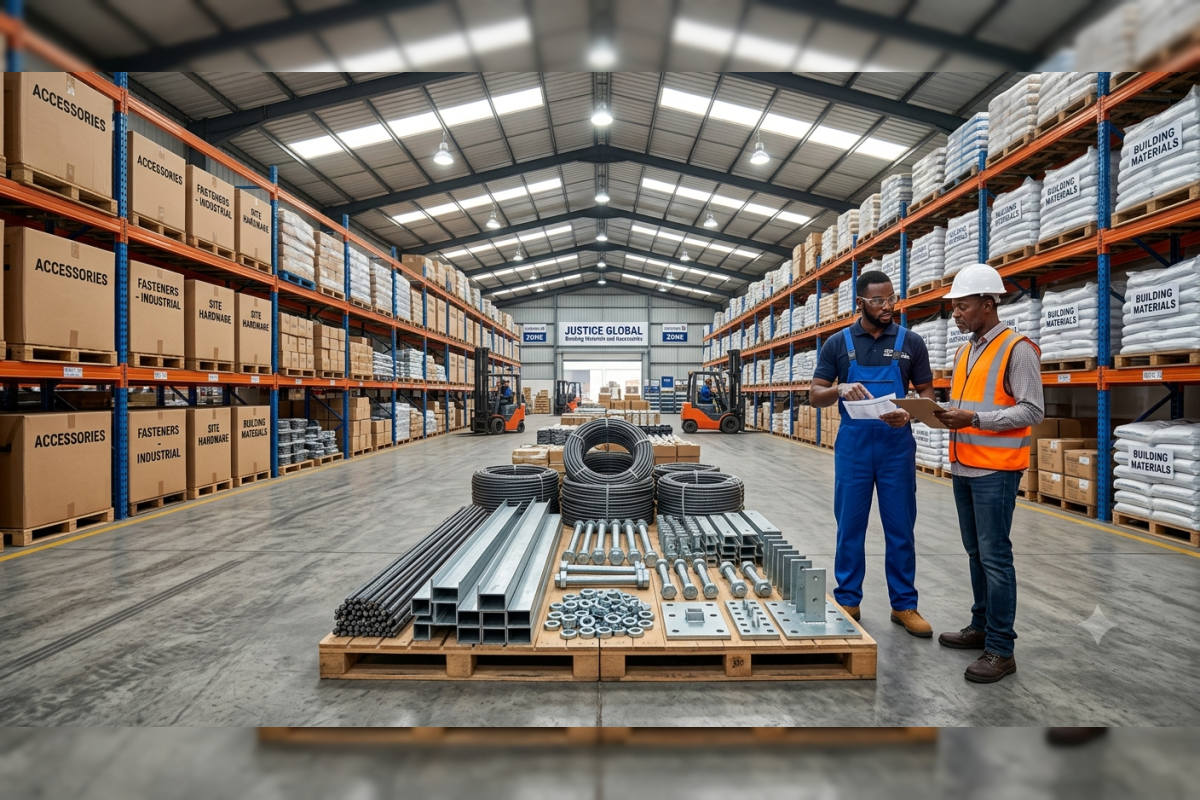

In the fast-paced world of construction and property development, the efficiency of your supply chain is the silent partner in every successful project. Whether you are managing a high-density residential development or overseeing a commercial renovation, the ability to source high-quality structural hardware consistently and reliably is paramount. Procurement is more than just a logistical necessity; it is a fundamental aspect of site management that directly influences timelines, budgets, and the long-term integrity of the built environment.
The Fundamentals of Structural Procurement
Structural integrity begins long before the first shovel hits the ground. It is fundamentally rooted in the caliber of materials specified and the reliability of the components used to bind them together. When sourcing bulk hardware such as high-tensile bolts, anchoring systems, and foundational connectors—there is no room for ambiguity regarding quality.
Industry professionals understand that sub-par fastening accessories are a frequent, yet preventable, cause of structural degradation. Procurement teams must prioritize vendors who provide hardware that meets rigorous industrial standards. For businesses like JUSTICE GLOBAL Building Materials and Accessories, the focus on bulk structural hardware serves to bridge the gap between large-scale manufacturing output and the immediate, on-site requirements of active construction projects.
Navigating the Hardware Ecosystem
Effective procurement requires a strategic approach to inventory sourcing. When looking for a partner to support your structural hardware needs, consider the following pillars of a healthy supply chain:
- Consistency and Stock Availability: The construction industry is dictated by strict timelines. A supplier who offers dependable stock helps project managers mitigate the risks of costly delays[cite: 116]. Knowing that essential site-level hardware is readily available allows for better workflow planning and reduced project volatility.
- Technical Compliance: Every structural component, from rubber piping to industrial-grade fasteners, must adhere to professional standards. Procurement guides should emphasize the importance of selecting products that are tested for durability and performance in real-world environmental conditions.
- Logistical Efficiency: Fast delivery is a cornerstone of modern construction management. The ability to receive materials whether within a city like Benin or nationwide is a critical factor in maintaining project mome. Efficient procurement channels allow for seamless integration into existing site logistics, ensuring that materials arrive exactly when they are needed.
Essential Categories for Site-Level Hardware
To streamline procurement, project managers should categorize their needs to better engage with wholesale channels. General building materials and accessories can be broadly classified into:
- Foundational Hardware: These are the critical elements that form the skeleton of the structure. This includes heavy-duty bolts, nuts, and anchoring systems that secure steel frameworks and support foundational integrity.
- Infrastructure and Plumbing Fittings: Reliable plumbing and piping components are vital for residential and commercial infrastructure. Consistent quality in these areas ensures that systems remain durable and perform under pressure.
- Support and Finishing Accessories: While these may seem secondary, they are crucial for professional execution. Items such as towel organizer stands, bathroom fixtures, and specialized fastening tools contribute to the final polish of a project while requiring the same level of procurement attention as the structural components.
Strategic Procurement for Future-Proof Projects
As the construction landscape continues to evolve, the demand for accessible, high-quality bulk building materials will only intensify. The key to successful procurement in this environment is building strong relationships with suppliers who possess localized expertise, such as the team at JUSTICE GLOBAL. This expertise allows for more than just a transaction; it provides the insights necessary to make informed material choices for specific site conditions.
A well-planned procurement strategy reduces waste, lowers overhead costs, and improves overall project turnover. By focusing on reliable wholesale channels, contractors and developers can minimize the impact of market fluctuations and focus their energy on the execution of architectural vision. Whether you are sourcing components for a major infrastructure project or simply stocking a site with necessary accessories, the goal remains the same: to utilize robust supply chains that guarantee performance and durability for the life of the building.
In conclusion, successful project delivery is the result of deliberate planning, disciplined inventory management, and the selection of partners who understand the rhythm of construction cycles[cite: 116]. By treating procurement as a strategic asset, you empower your team to build projects that are not only structurally sound but also economically optimized. Consistency in sourcing, combined with a commitment to quality, remains the most effective blueprint for lasting construction success.

1780528006.jpg)

Comments (0)
No comments yet. Be the first!
Please login to leave a comment
Login to Comment